Regular vs Large vs XL Condoms: What’s the Real Difference?
Confused between regular, large, and XL condoms? You’re not alone.
Most people assume condom size is only about length — but in reality, fit depends more on girth (width) than anything else.
Choosing the wrong size can lead to:
- Discomfort
- Slipping
- or Even Breakage
In this guide, we’ll help you understand the exact difference between regular, large, and XL condoms, so you can choose the right fit with confidence.
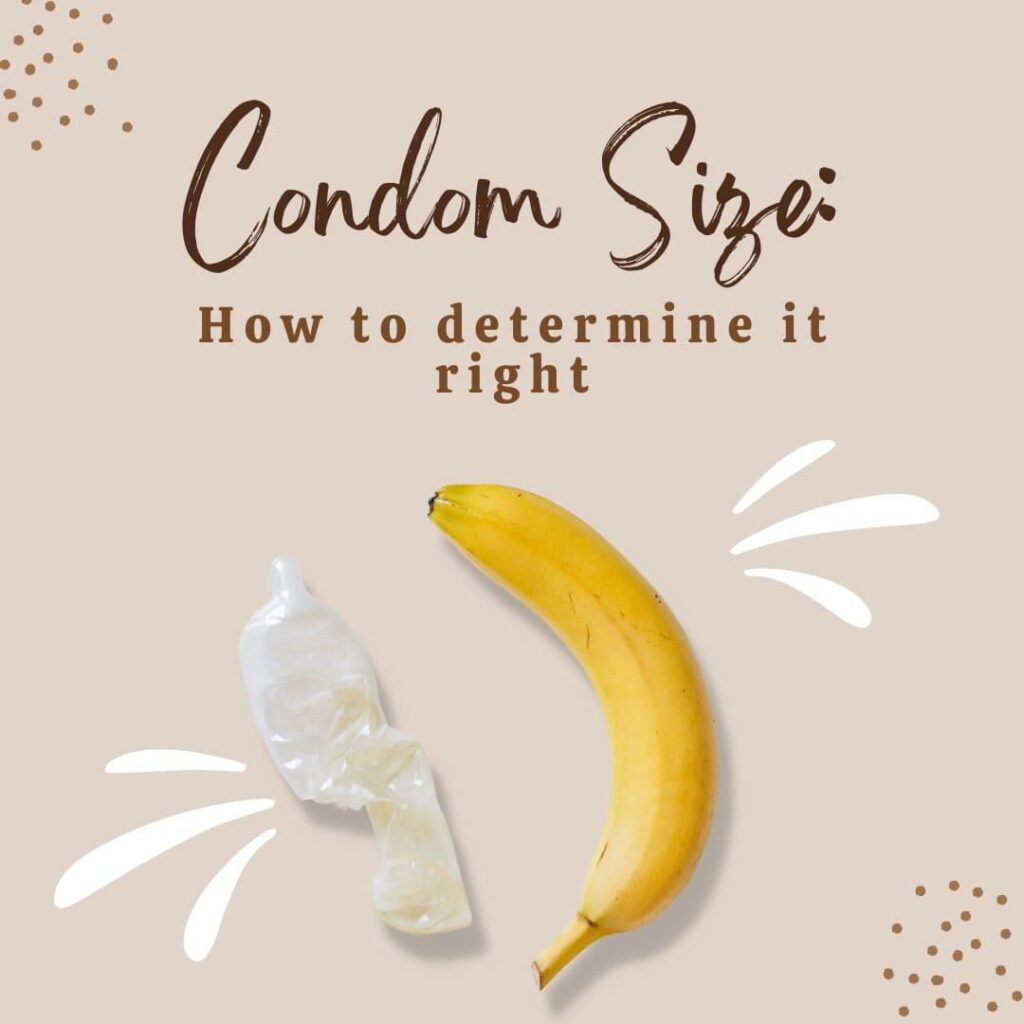
Is there really a difference between regular, large and ‘XL’ condoms?
There is a difference between regular, large and XL condoms, but the difference is not always the same from one brand to another. Some brands use those labels loosely, while others define them by nominal width, which is the most useful number to check.
The short version is this:
- Regular usually works for average girth.
- Large is for people who feel regular condoms are tight or restrictive.
- XL is for people who need extra room and a looser fit.
If a condom feels too tight, it can be uncomfortable and may increase the chance of breakage. If it is too loose, it can slip or shift during use. That is why fit matters more than pride, label, or assumption.

What “regular,” “large,” and “XL” actually mean
These size words are convenient, but they are not a universal standard. One brand’s regular may feel like another brand’s large. That is why comparing labels alone can be misleading.
In practice, these labels usually refer to the condom’s width and how much stretch and grip it has around the shaft. A condom that is too narrow can feel tight and may be harder to roll down. A condom that is too wide may not stay secure.
For a first-time buyer, the most useful mindset is simple: do not buy by ego; buy by fit.
How condom sizing really works – Why girth matters more than length
“Size selection depends more on girth than length.”
Most people focus on length, but girth is usually the more important measurement for condom fit. A condom that is long enough but too narrow will still feel wrong. A condom that is wide enough usually works better, even if the length is slightly more than needed.
That is why many condom guides and clinics tell people to measure the circumference of the erect penis, not just the length. The width of the condom has to match the thickness of the shaft well enough to stay secure without pinching.
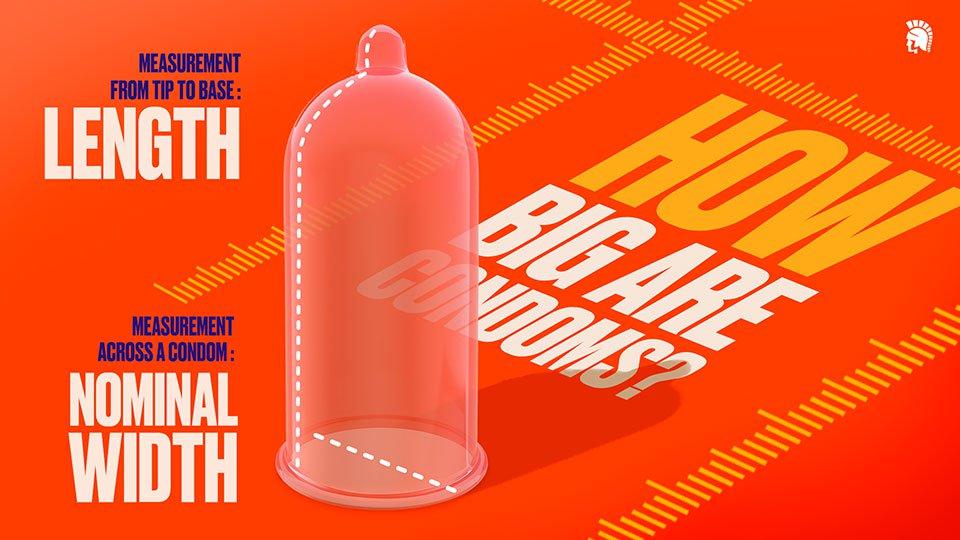
What nominal width means
On many condom packs, you will see a number like 49 mm, 53 mm, or 56 mm. That number is called nominal width. It is the flat width of the condom, not the full circumference.
A simple rule of thumb is:
Nominal width ≈ girth ÷ 2
So if the girth is around 106 mm, the estimated nominal width is about 53 mm. That is why the numbers on the box matter more than the words “regular” or “XL.”
Why brand labels can be confusing
Two different brands may both say “large,” but one may mean 56 mm and another may mean 60 mm. A user who trusts only the label can end up with the wrong size.
That is why condom shopping should feel more like choosing the right shoe size than choosing a fashion label. The measurement matters more than the marketing word.
How to measure yourself correctly
Measure length
To measure length correctly:
- Make sure the penis is fully erect.
- Place a ruler on the top side, from the base at the body to the tip.
- Press gently into the pubic area so the start point is consistent.
- Record the length.
Length is useful, but it usually does not decide fit as much as girth does.
Measure girth
To measure girth:
- Use a soft measuring tape or a string.
- Wrap it around the thickest part of the erect shaft.
- Read the measurement in millimetres or centimetres.
- Use that number to estimate condom width.
This is the most important step. If you only remember one thing from this article, remember this: measure girth first.
Convert girth into a width estimate
Use the simple formula:
Nominal width ≈ girth ÷ 2
Example:
- Girth: 106 mm
- Estimated nominal width: 53 mm
That puts you close to a regular size in many brands. If your girth is more like 112 mm, 56 mm may be a better fit. If your girth is lower, 49 mm may feel more secure.
Regular vs large vs XL: simple comparison table
| Size | Length (Approx.) | Girth (Important) | Best For |
|---|---|---|---|
| Regular | 5–7 inches | 4.25–5 inches | Average fit |
| Large | 7+ inches | 5–5.2 inches | Slightly above average |
| XL | 7.5–8+ inches | 5.2+ inches | Wider fit only |
This table is a starting point, not a diagnosis. Different brands fit differently, and comfort can vary slightly even within the same width range.
Why Condom Size Actually Matters
Using the correct condom size is not just about comfort — it’s about safety and effectiveness.
If the condom is too tight:
- Increased risk of breakage
- Reduced comfort
- Restricted movement
If the condom is too loose:
- May slip off during use
- Reduced protection
- Less reliable experience
👉 The right size ensures better protection + better experience
Who each size is usually best for
Regular Condoms – Who Should Use Them?
Regular condoms are designed for the average size range and work well for most people.
You should choose Regular if:
- You’ve never had fit issues before
- Condoms feel comfortable, not tight
- No slipping or rolling issues
👉 For most users, regular is the safest starting point
Large Condoms – When Should You Upgrade?
Large condoms provide slightly more width and comfort.
You may need Large if:
- Regular feels tight or restrictive
- You notice discomfort during use
- You want a more relaxed fit
👉 Large condoms are not “bigger is better” — they’re fit-specific
XL Condoms – Are They Really Necessary?
XL condoms are designed for a wider girth, not just extra length.
Choose XL only if:
- Regular and Large both feel tight
- You consistently face discomfort
- You need extra room for comfort
👉 Using XL unnecessarily can increase the risk of slipping
The best condom is the one that stays in place, feels comfortable, and can be used correctly from start to finish.
How to Choose the Right Condom Size (Simple Guide)
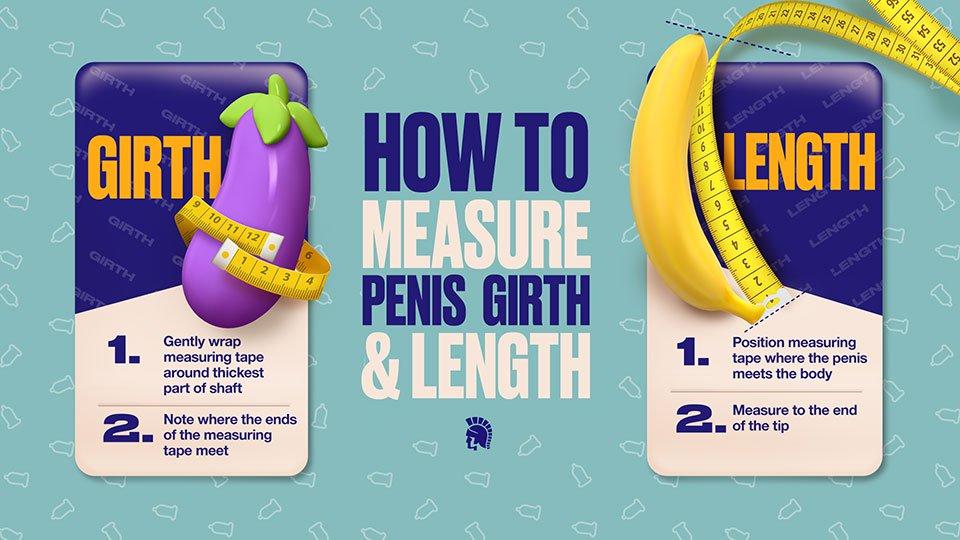
Step 1: Measure Girth (Most Important)
Use a measuring tape around the widest part.
Step 2: Check Length (Secondary)
Length matters less — most condoms are flexible.
Step 3: Match Size
- Girth up to ~5 inches → Regular
- Slightly above → Large
- Wider → XL
👉 Always prioritize comfort + secure fit
Common Mistakes People Make
- Choosing size based on ego, not fit
- Ignoring girth completely
- Using larger size assuming better comfort
- Not testing different fits
👉 The right size is about accuracy, not assumptions
Myths vs facts
Myth: Regular condoms are for everyone.
Fact: Regular works for many people, but not all. Fit varies.
Myth: XL always means better performance.
Fact: XL is only better if you actually need the extra width.
Myth: Length matters more than width.
Fact: Girth and width usually matter more for comfort and security.
Myth: If a condom feels tight, that means it is protecting better.
Fact: Too tight can increase discomfort and may contribute to breakage risk.
Quick answer box
If you are unsure where to start:
- Try regular if your girth seems average.
- Try large if regular feels tight.
- Try XL if large still feels restrictive.
- Use 49 mm / 53 mm / 56 mm as practical reference points, not rigid rules.
Measure once, compare the number, then test one size at a time.
or repeated breakage even after trying better sizes and correct use.
FAQs
1. Which condom size is best for 6 inches?
Length alone doesn’t decide size — check girth. Most people fall under regular size.
2. What is the most important measurement for condom size?
Girth is usually more important than length because it determines how snug the condom feels.
3. Is XL condom better?
No. XL is only better if you actually need it. Otherwise, it can slip.
4. What if regular condoms feel too tight?
Try large. If large still feels restrictive, XL may be a better fit.
5. What if the condom keeps slipping?
It may be too loose. Try a smaller or snugger size.
6. Can I decide the size by looking only at length?
No. Length matters, but girth usually gives a better fit signal.
7. Should I use the same size across all brands?
Not always. Brand sizing can differ, so check the width in millimetres.
Reviewed by: Sexual Wellness Research Team
Focus: Safe practices, product education, and user guidance
This article is for general educational purposes only. It does not replace advice from a qualified healthcare professional. If condoms repeatedly feel painful, cause irritation, or keep failing even after changing size and using them correctly, seek professional guidance.